Bunion Treatment in Goodyear, AZ
That bony bump at the base of your big toe is a bunion, and most patients can manage it for years without surgery. Foot Envy starts with the conservative stuff first: footwear, padding, custom orthotics, and bracing. When surgery is genuinely the right call,
Dr. Craig Udall, DPM is fellowship trained to perform it. Same-week visits. Se habla español.
What Is a Bunion?
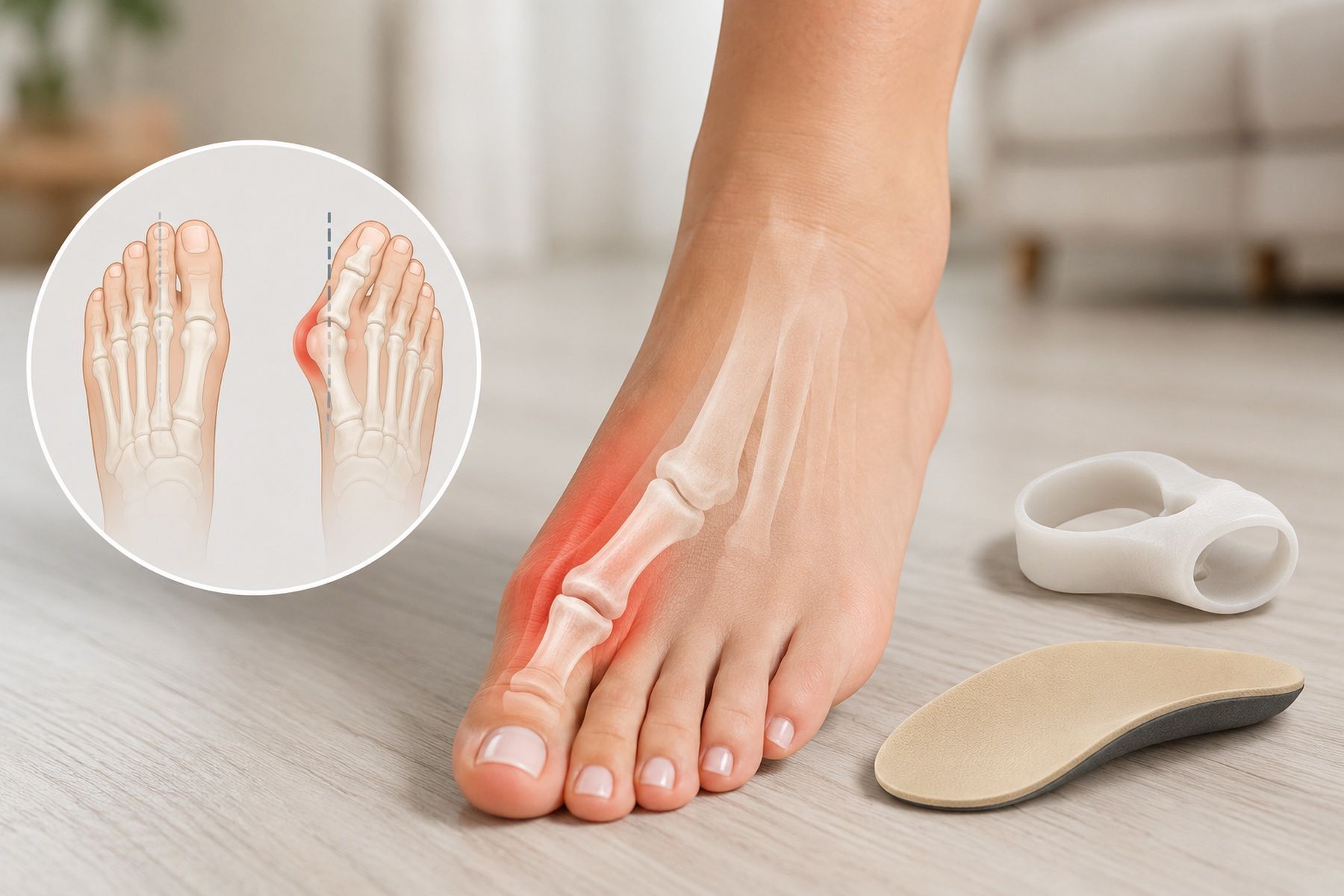
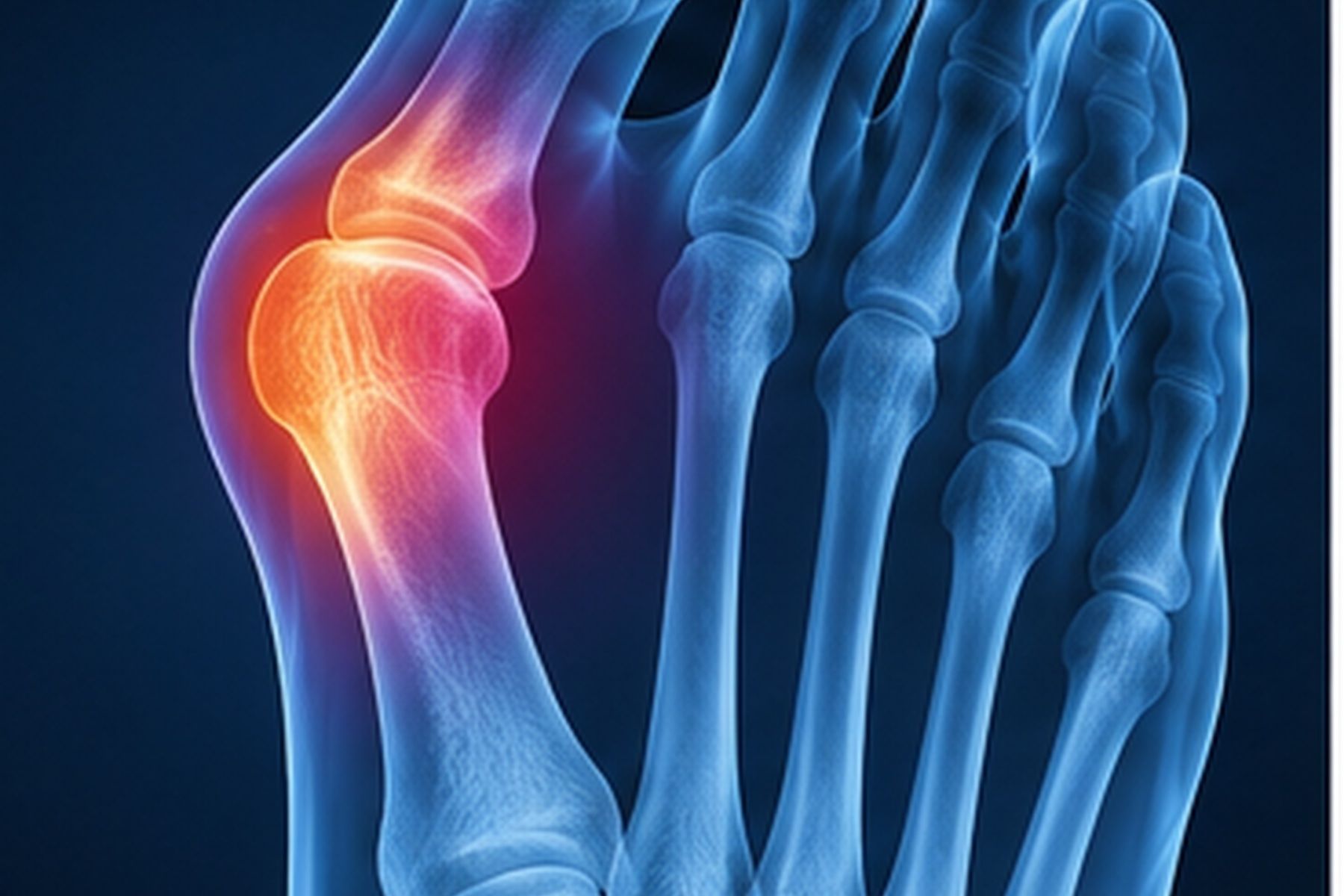
A bunion is a bony bump that forms at the joint at the base of your big toe. Over time, the big toe drifts toward the second toe and the joint underneath shifts outward, creating the visible bump on the side of the foot. Bunions are progressive, which means they tend to get worse over time if nothing is done. They are also one of the most common foot deformities we see at Foot Envy.
There is a less common version called a tailor's bunion, or bunionette. It shows up on the outside of the foot at the base of the little toe, and it forms for similar reasons. Treatment is similar.
The honest thing to say up front: once a bunion has formed, the bony deformity itself cannot be reversed without surgery. What conservative care can do, and does well for most patients, is relieve pain, slow the progression, and keep you out of the operating room for as long as possible. For many patients, that is exactly the right outcome.
Symptoms of a Bunion
The most obvious symptom is the visible bony bump. Beyond that, common symptoms include:
- Pain in the joint, especially in shoes that put pressure on the bump.
- Redness, swelling, or warmth around the joint.
- Limited motion in the big toe.
- Calluses or corns where the toes rub against each other or against the inside of the shoe.
- The big toe drifting toward or under the second toe.
- A hammer toe developing in the second toe, which often happens alongside a bunion because the displaced big toe pushes against it.
- A sore spot under the ball of the foot, because the bunion changes how weight loads across the front of the foot.
What Causes Bunions?
Bunions usually come from a combination of factors. Most patients have more than one of them working at the same time.
Genetics and foot structure
Genetics is the single biggest factor. If your parents had bunions, your odds of developing one go up significantly. The underlying foot shape and joint mechanics that lead to bunions are largely inherited.
Foot mechanics
How your foot loads under gait matters a lot. Overpronation (where the foot rolls inward as you walk), flat feet, and certain arch types all increase the forces on the big toe joint and accelerate bunion development. This is one of the reasons custom orthotics are central to most bunion treatment plans.
Tight, narrow, or high-heeled shoes
Shoes do not cause bunions on their own, but they speed up the process in patients who are already prone. Decades of pointed dress shoes or high heels can take a mild structural tendency and turn it into a significant deformity.
Inflammatory arthritis
Conditions like rheumatoid arthritis can contribute to bunion formation by damaging the joint and changing how the big toe sits in the foot.
Foot injury
A toe joint that was injured earlier in life can develop a bunion as the joint heals and remodels.
How We Treat Bunions: Our Conservative-First Approach
For nearly every patient with a bunion, our treatment plan starts at the bottom rung and moves up only when needed. The earlier you come in, the more often the lower rungs are enough. Most patients live with their bunions for years without ever reaching the surgical rung.
1. Footwear changes and education
The first thing we look at is your shoes. A shoe with a wide toe box and no pressure on the bunion can make a real, meaningful difference. Right shoes will not make a bunion disappear, but they can take a painful bunion and make it not painful. We give you specific recommendations for everyday shoes, athletic shoes, and even dress shoes, because supportive dress shoes do exist.
2. Padding, toe spacers, and splints
Padding over the bump prevents shoe pressure on the joint. Toe spacers between the big toe and second toe gently push the big toe back toward a more neutral position. Night splints hold the toe in a stretched position overnight to keep the joint mobile. None of these reverse the bunion, but together they reduce pain and slow progression.
3. Custom orthotics
This is the rung where most patients with bunions get the biggest improvement. Custom orthotics for bunions correct how the foot loads during gait. Because bunion formation and progression are so closely tied to overpronation and other mechanical issues, correcting the underlying load takes daily abuse off the joint and the pain often improves substantially. Custom orthotics are Dr. Udall's specialty. Learn more about our custom orthotics.
4. Anti-inflammatory care and injections
For flared-up, painful bunions, anti-inflammatory medication can help calm the joint. Corticosteroid injections directly into the joint can break a stubborn cycle of inflammation. These options do not address the bony deformity, but they can take a patient who has been miserable for months and give them real relief while the rest of the plan does its work.
5. Surgical correction (bunionectomy)
When bunion pain becomes severe enough to interfere with daily life despite consistent conservative care, surgery is the only way to actually correct the bone alignment. The procedure is called a bunionectomy, and there are several surgical techniques depending on bunion severity and your specific anatomy. Dr. Udall is fellowship trained to perform them and has hospital privileges at St. Joseph's Westgate Medical Center. The decision to operate is always made carefully and only after conservative care has been exhausted.
Will My Bunion Get Worse Without Treatment?
For most patients, yes, although the rate of progression varies widely. Some people live with a small, mildly painful bunion for decades. Others see significant progression within a few years, especially if they keep wearing the shoes that contributed to it.
The earlier you start the conservative plan, the better your long-term outcome tends to be. Catching a developing bunion early and addressing the underlying gait, footwear, and biomechanics gives you the most options and tends to slow progression the most.
If you have a family history of bunions, even a small bump that is not yet painful is worth getting evaluated. We can often look at your foot mechanics and shoes and give you a clear sense of how at-risk you are for faster progression.
Why Patients See Dr. Udall for Bunions
Bunions are one of the most common conditions Dr. Udall treats. He approaches them the way he approaches most foot problems: figure out what is actually driving the issue, treat it conservatively first, and only consider surgery when conservative care can no longer keep up with the pain. His specialty in custom orthotics and lower-extremity biomechanics is directly relevant here, because bunion progression is so often a function of how the foot loads during gait. Correct the load and you slow the progression.
He is board certified, fellowship trained, and a member of the American Podiatric Medical Association (APMA) and the American College of Foot and Ankle Surgeons (ACFAS). He has hospital privileges at St. Joseph's Westgate Medical Center for the cases that do require surgical correction.
Bunions vs. Hammer Toes vs. Bunionettes
It is common to have more than one of these at the same time. Here is how they differ.
Bunion
A bony bump at the base of the big toe, with the big toe drifting toward the second toe. This is the most common version and the one most people picture when they hear "bunion."
Bunionette (tailor's bunion)
A bony bump at the base of the little toe, on the outside of the foot. Treatment follows the same conservative-first ladder as a regular bunion.
Hammer toe
A downward bend at the middle joint of one of the smaller toes. Hammer toes very often develop alongside bunions, because the displaced big toe pushes against the second toe and changes its alignment over time. Learn more about hammer toe treatment.
We figure out exactly what you have during your exam and address everything in the right order.
Can Bunions Be Reversed Without Surgery?
The honest answer is no. Once a bunion has formed, the bony alignment cannot be moved back into place without surgery. What conservative care does, and does well for many patients, comes down to three things.
First, it manages the pain so the bunion does not run your life. Most bunions are not constantly painful. They flare with the wrong shoes or after long days on your feet. Good conservative management often takes that pain down to a level you barely notice.
Second, it slows the progression. The bunion will not stop forming entirely, but it can be slowed significantly by removing the daily mechanical stress that drives it.
Third, it keeps you out of the operating room, often indefinitely. Surgery is real surgery, with real recovery, and avoiding it when the conservative path is working is almost always the right call.
If you have seen ads or social media posts promising to fix bunions without surgery using a brace or a toe spacer alone, treat those claims skeptically. They can reduce pain. They cannot move a bone back into position.
Frequently Asked Questions About Bunions
Can a bunion be fixed without surgery?
The bony deformity itself can only be corrected with surgery. Conservative treatment relieves pain, slows progression, and often keeps patients out of the operating room indefinitely, which is the right outcome for many bunion patients.
Are bunion splints worth it?
For many patients, yes, especially night splints worn while sleeping. They do not reverse the bunion, but they can reduce pain and help keep the joint mobile.
Do custom orthotics help bunions?
Yes, often substantially. Custom orthotics correct the underlying foot mechanics that drive bunion progression. They are a key part of most patients' bunion treatment plans.
What kind of shoes should I avoid?
Narrow toe boxes, pointed shoes, high heels, and any shoe that puts direct pressure on the bunion. We will go through your current shoes during your visit and tell you which to keep and which to retire.
When should I consider bunion surgery?
When the pain is severe enough to interfere with daily life despite consistent conservative care, when the bunion is significantly limiting your activity, or when related problems like hammer toes are getting worse. Surgery is a real decision and we walk through it carefully with you.
What does bunion surgery recovery look like?
Recovery varies by procedure. Most modern bunion surgeries involve a few weeks in a surgical shoe or boot, followed by gradual return to regular shoes and activity. Full healing typically takes several months. We go over the specific procedure, the recovery timeline, and what to expect during your surgical consultation.
Does insurance cover bunion treatment?
Yes. Most major insurance plans cover medically necessary bunion treatment, including both conservative care and surgery when it is needed. We verify your benefits before any work starts. We accept Medicare and most Medicare Advantage plans.
Can children get bunions?
Yes, although it is less common. Juvenile bunions usually have a strong genetic component. For kids and teens, we lean heavily on footwear, orthotics, and watchful monitoring rather than early surgery.
¿Habla español?
Sí. Dr. Udall y nuestro equipo hablan español con fluidez. Llame al 623-335-4017 para programar una cita.
Related Bunion Conditions We Treat
Custom Orthotics
Prescription-grade custom foot orthotics designed by Dr. Udall, the West Valley’s dedicated specialist in lower-extremity biomechanics.
Hammer Toes
In-Office Treatment
Conservative care first, with a minimally-invasive in-office procedure for flexible hammer toes when needed. Less downtime than traditional surgery.
Heel Pain &
Plantar Fasciitis
The most common foot pain we see — and the most treatable. Real relief through stretching, custom orthotics, and conservative care.
Ingrown Toenails
Same-week relief for painful or infected ingrown toenails. Permanent solutions, gentle technique, and we’ll get you out of pain fast.
Foot & Ankle Pain
Not sure what’s wrong? Our foot pain triage page helps you identify what you’re feeling — top-of-foot, ball-of-foot, arch, or ankle pain.
Flat Feet
Custom orthotics, supportive bracing, and conservative care for flat feet (pes planus). Veteran and Luke AFB community welcome.
Book Your Bunion Evaluation
The first step is a real exam. Dr. Udall will check the alignment of the joint, look at how you walk, identify the underlying factors driving your specific bunion, and walk you through the right starting point on the treatment ladder. Most patients leave their first visit with a clear plan and the first rungs already in motion.